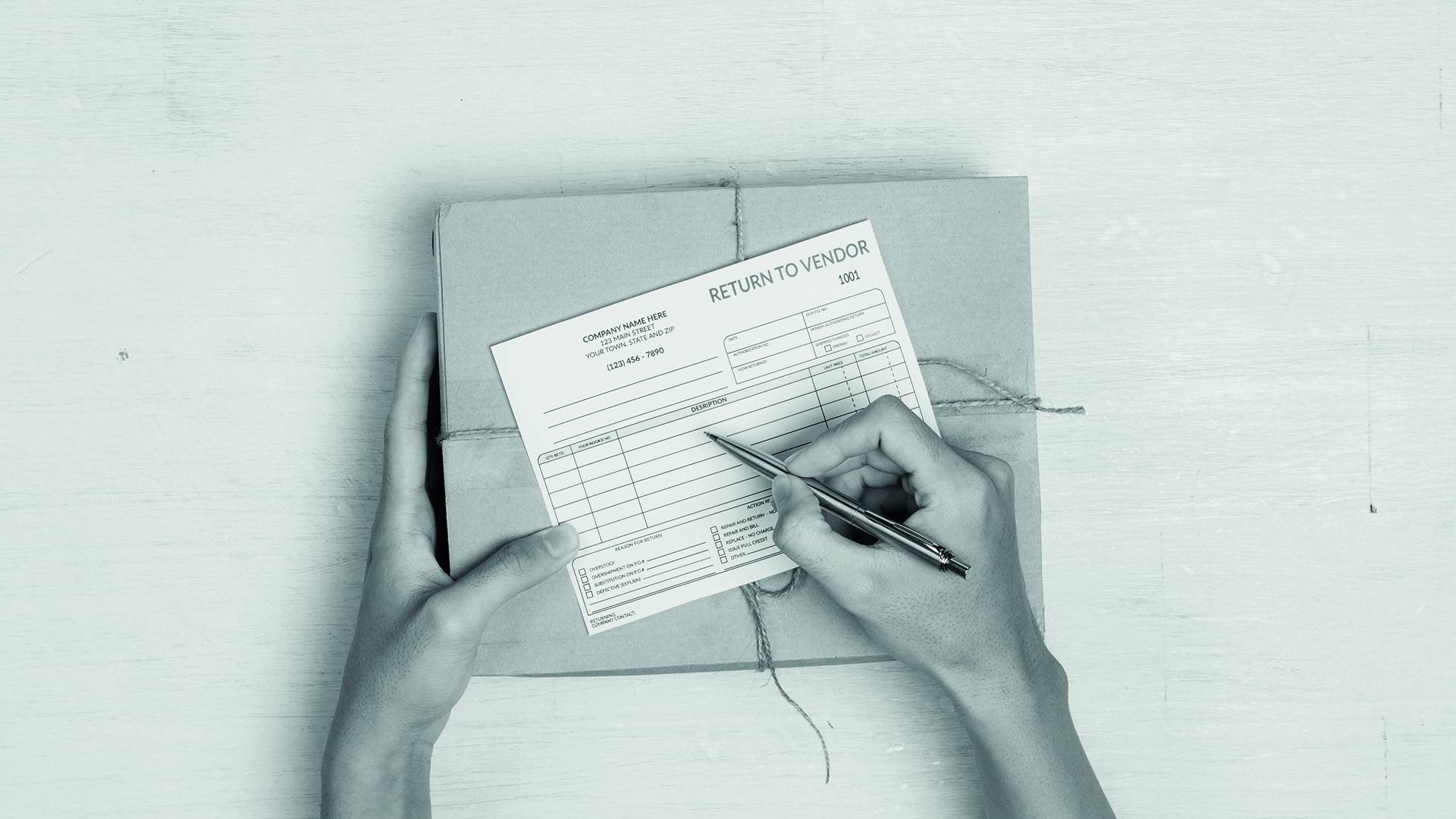
A good returns policy is essential for every webshop. It offers customers certainty with their purchase, increases the chance of repeat purchases and helps you differentiate your service. With a clear and customer-oriented returns policy, you not only create trust, but also reduce the chances of misunderstandings and costs surrounding returns. Below are some tips for an effective return policy that benefits both customers and your shop.
- Communicate your returns policy clearly and visibly
Make sure the return policy is easy to find on your website. Put it on the product pages, in the check-out and as an extra page on the website, so customers know in advance what to expect. Include the deadline for returns, any costs and conditions. This prevents disappointment and gives customers the information they need to make an informed purchase. - Offer a smooth return procedure
Customers appreciate it when the returns procedure is simple and clear. Consider integrating a returns portal on your website where customers can easily register their return and print a shipping label. The simpler the process, the more likely customers will remain satisfied even if they return something. - Consider free returns
Free returns can have a positive impact on your conversion and customer satisfaction, although they do come at a cost. Many shops choose to offer free returns on purchases above a certain amount, which lowers the threshold while motivating customers to spend more. This can help strike a balance between cost and customer satisfaction, because in fact, a free return is removing risk. The less risk the customer experiences, the more confident and quicker they will proceed with a purchase. - Set clear conditions for returns
Clearly describe which products can and cannot be returned. Make sure customers know that products must be returned in their original condition, including packaging and labels, to be eligible for a refund. For exceptions, such as custom-made products, state that the right of withdrawal does not apply. Transparency in these terms avoids unnecessary returns and discussion. - Optimise your product descriptions to prevent returns
A large proportion of returns are caused by misunderstandings about the product. Provide clear product descriptions, extensive size charts and photos from multiple angles. This will help customers make a more informed choice, reducing the likelihood of returns. Ultimately, no party wants dissatisfaction with the product. - Automate the returns process for efficiency
By automating returns, for instance through returns software or linked systems with your inventory management, you can save time and keep returns administration accurate. This not only helps you speed up the process for customers, but also gives instant insight into stock levels and return reasons, which helps you improve products and processes. - Analyse returns data for improvements
By analysing returns, you gain insight into the reasons why customers return products. For instance, are there many returns due to wrong size or product expectations? This information is valuable and allows you to improve product descriptions or even product designs, which can reduce the number of returns in the future.
With an effective returns policy, you not only increase customer satisfaction, but also build trust and loyalty among your customers. By having a clear and customer-oriented policy, you also reduce the pressure on your returns handling and make the process as efficient as possible. A win-win for both your webshop and your customers.