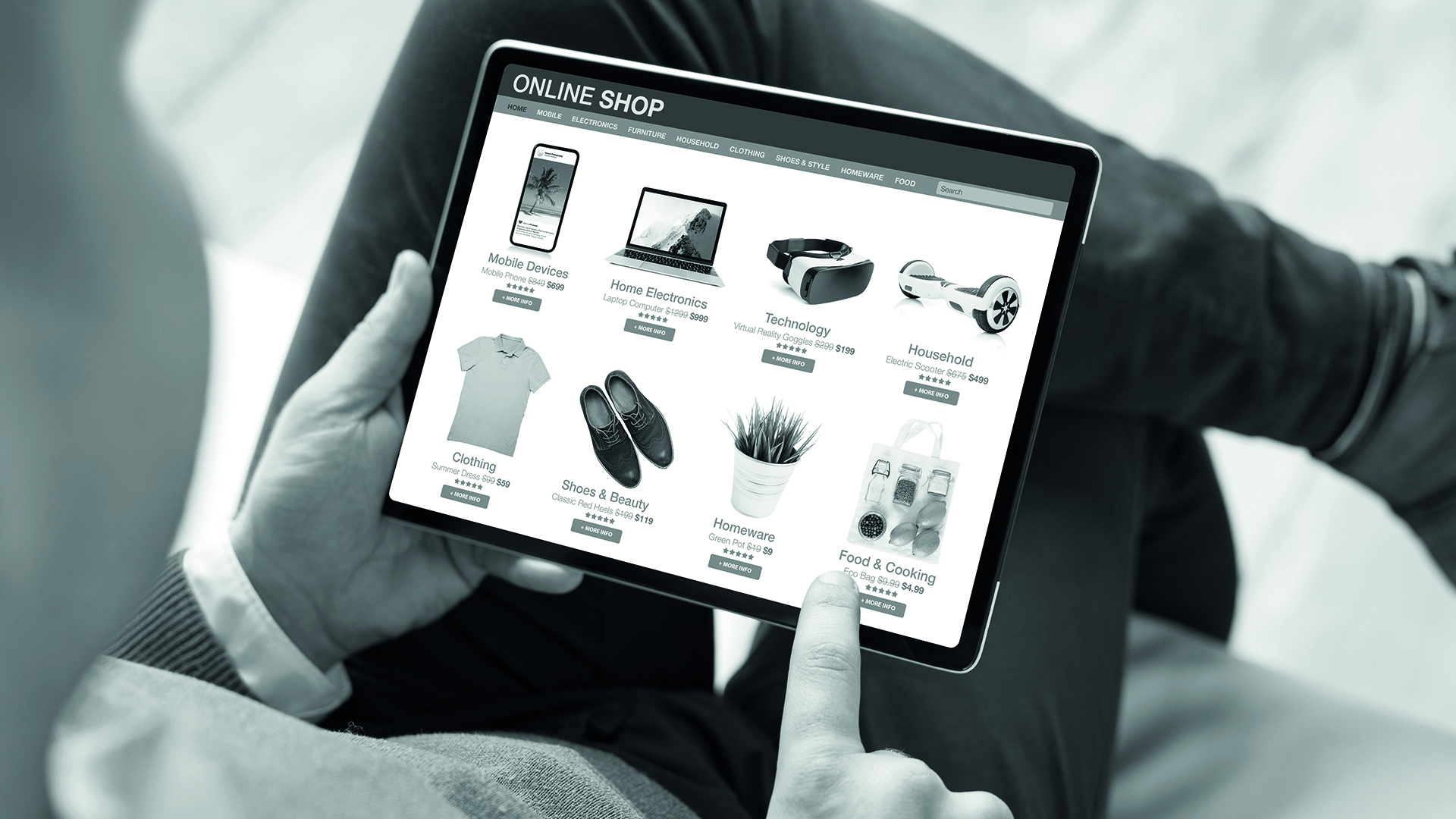
With a webshop, you create a strong base for your online sales activities. This positions your brand as an authority in your niche on the digital market. With a webshop platform (also known as an e-commerce platform), you build your own online shop and effortlessly manage your sales activities on the web. However, the range of webshop platforms available is quite large. It is easy to get overwhelmed by the variety of features and options. Each platform has its own unique mix of features, benefits and price levels. Moreover, the offer is constantly changing due to new developments and emerging trends.
Choosing a suitable web shop platform depends on your needs, expertise and budget. To make this choice easier, we give you an overview of some frequently used platforms. We also list the special features that may or may not suit your specific needs.
1. Shopify: popular choice, good all-rounder
Shopify is a very popular and up-to-date e-commerce platform. It is suitable for both small and large webshops and grows with the needs of your business. It is a user-friendly and intuitive tool for setting up your webshop catalogue and managing products. Processing orders and payments runs smoothly. Shopify includes a wide range of templates and themes. You can adapt it seamlessly to your company’s house style or website. In addition, it is easy to integrate Shopify with other applications such as WordPress, Mailchimp, Google Analytics, social media and various marketplaces. Regular updates are released with new features that meet the demands of online entrepreneurs.
– Plus: User-friendly. Frequent updates with new features. Many integration options with other software, apps and marketplaces such as Etsy or Amazon. Scalability. Reasonable price for a basic subscription. Extensive customisation options.
– Min: Increasing costs as you need more features such as inventory management and customer service. Additional transaction fees with external payment systems.
2. WooCommerce: useful for WordPress websites and users
WooCommerce is a WordPress plugin. WordPress is a very well-known content management system (CMS) that you use to build websites. By installing WooCommerce, you extend the functionality of WordPress with a flexible webshop tool. WooCommerce is a little less user-friendly than Shopify. But because it is a plugin for WordPress, you quickly expand your website with an online shop. Among other things, you add products, manage stock levels and update your prices. You can categorise your products and use tags to improve navigation within your shop.
– Plus: Free. Seamless integration with WordPress. Convenient to use especially for WordPress connoisseurs. Extensive customisation options for functionality and design.
– Minus: Can only be used in combination with WordPress (and associated costs). Speed depends on your website performance. Additional software/plugins required for functionalities that WooCommerce does not offer. Some components require some technical knowledge. No easy synchronisation with marketplaces like Etsy or Amazon. Not very suitable for larger businesses.
3. Magento: customisation and wide range of features and customisations
Magento is a versatile e-commerce platform that excels in offering flexibility and a wide range of features. It offers a huge collection of features that you can use for things like product management, order processing, inventory management, marketing strategies and promotions. However, the platform is not very simple or intuitive to use, making it more suitable for developers or tech-savvy users.
– Plus: Huge amount of features. Built for scalability and can handle large and multiple shops. High level of customisation options and customisation. Open source version is free.
Minus: Technical, complex and therefore aimed more at developers. Enterprise version is expensive and therefore only suitable for large organisations. Open source version quickly causes performance problems with frequent changes to your products. Focused on the US market, so adapting to the Dutch market requires some knowledge and a lot of work.
4. BigCommerce: growth and scalability for medium-sized and large companies
BigCommerce is an e-commerce platform that offers flexibility, scalability and various integration options. In addition, BigCommerce is a platform that encourages entrepreneurs to grow. To this end, the platform offers various functions and tools that support the scalability and development of your online business. Via a multi-channel option, you also sell your products on social media channels and marketplaces. Moreover, the platform offers extensive options for various currencies and languages. With a range of different subscriptions, small and larger companies can start an online shop. You can easily visually customise the themes offered by BigCommerce to better match the look and feel of your business. Options like abandoned cart saving, custom product filtering or a customer success manager are only available in more expensive subscriptions.
· Plus: Gebruiksvriendelijk. Veel ingebouwde functies en professionele thema’s. Multi-storefront om beheer van meerdere merken in een winkel te combineren. Tools voor internationale verkoop. Integratie met WordPress. Ingebouwde SEO tools om je zichtbaarheid te vergroten. Eenvoudige schaalbaarheid.
· Min: Optie voor herstellen verlaten winkelwagentjes alleen beschikbaar bij duurdere versie. Abonnement wordt geüpgraded als je een bepaalde omzet behaald. Beperkte verzendkosten.
5. Wix: eenvoudig en zeer geschikt voor beginners
Wix is een populaire websitebouwer die ook e-commerce functionaliteit biedt. Heb je geen kennis van programmeren of webdesign? Dan is dit platform een geschikte keuze omdat Wix zich vooral onderscheidt in gebruiksvriendelijkheid door een heel eenvoudige drag & drop methode (slepen en neerzetten). Dit maakt het bouwen van een aantrekkelijke webshop zeer intuïtief en makkelijk. Wix biedt een groot scala aan designopties en functies om een webwinkel te realiseren die prettig is in gebruik. Je kunt online verkopen, posten op social media en je producten aanbieden via diverse verkoopkanalen. De beschikbare functies variëren, afhankelijk van het gekozen abonnement. Integratie met WordPress websites kan enige technische kennis vereisen. Want wil je bijvoorbeeld niet dat bezoekers jouw domein verlaten, dan moet je een subdomein van Wix instellen en deze koppelen aan de WordPress website.
· Plus: Gebruiksvriendelijk. Zeer geschikt voor beginners maar ook geliefd bij de gevorderde gebruiker. Erg veel functionele en aantrekkelijke thema’s. Gratis abonnement om te testen. Branche specifieke dashboards en verkoopfuncties. Prijzen zijn goedkoper dan de meeste concurrenten.
· Min: Gratis abonnement is niet geschikt voor een professionele werking en uitstraling. Gekozen thema’s zijn achteraf wat lastig te wijzigen. Beperkte schaalbaarheid voor grotere webshops met een complexere behoefte. Wat meer geavanceerde functies niet aanwezig. Geen naadloze integratie met WordPress websites.